-
Polygarden
research, Academic Polygarden Post-colonialism visual investigation on representation in the digital landscape DateAugust 2023 project typeSalzburg Art school Summer Academy – Solo Project TopicSeeing What does it mean to (re)discover a place in our time? By hours of scrolling on...
Project Type
Speculative Architecture
At
Salzburg Art school Summer Academy - Solo Project
Tools
3D scanning + Pointcloud editing + Unreal Engine + Google Earth + Adobe Premiere Pro
-
What does it mean to (re)discover a place in our time?
By hours of scrolling on Google Maps, 2D or 3D, images, recorded walking tours on YouTube, drone videos from above, scans, and many more resources. How do we see something when our perception and senses are layered and altered by different narratives?
Once we start unfolding the tools we use in our contemporary visual culture, and the structures they employ for intended narratives, we slowly move away from an objective view of reality towards more fragmented and biased representational aspects of it.
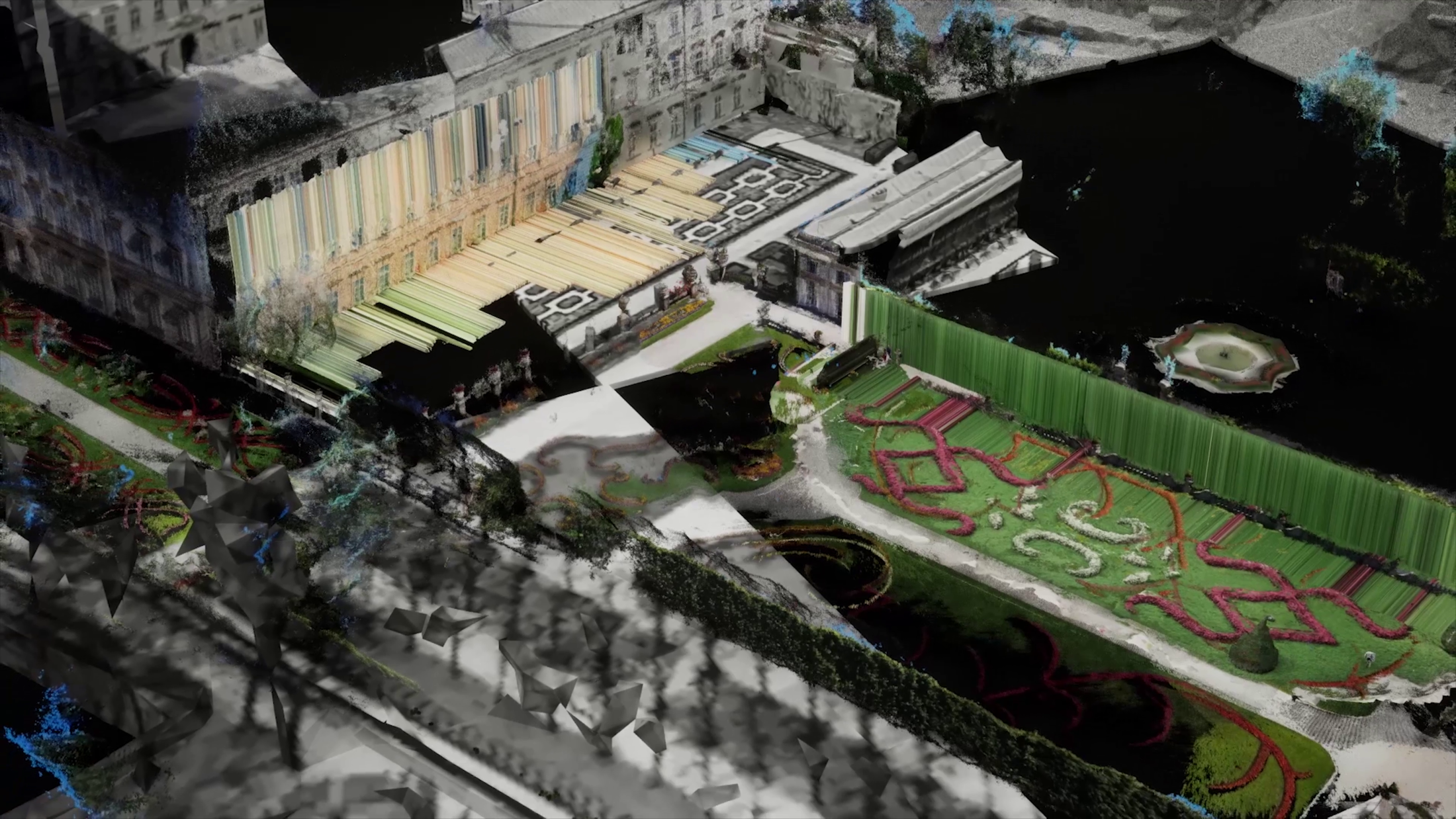
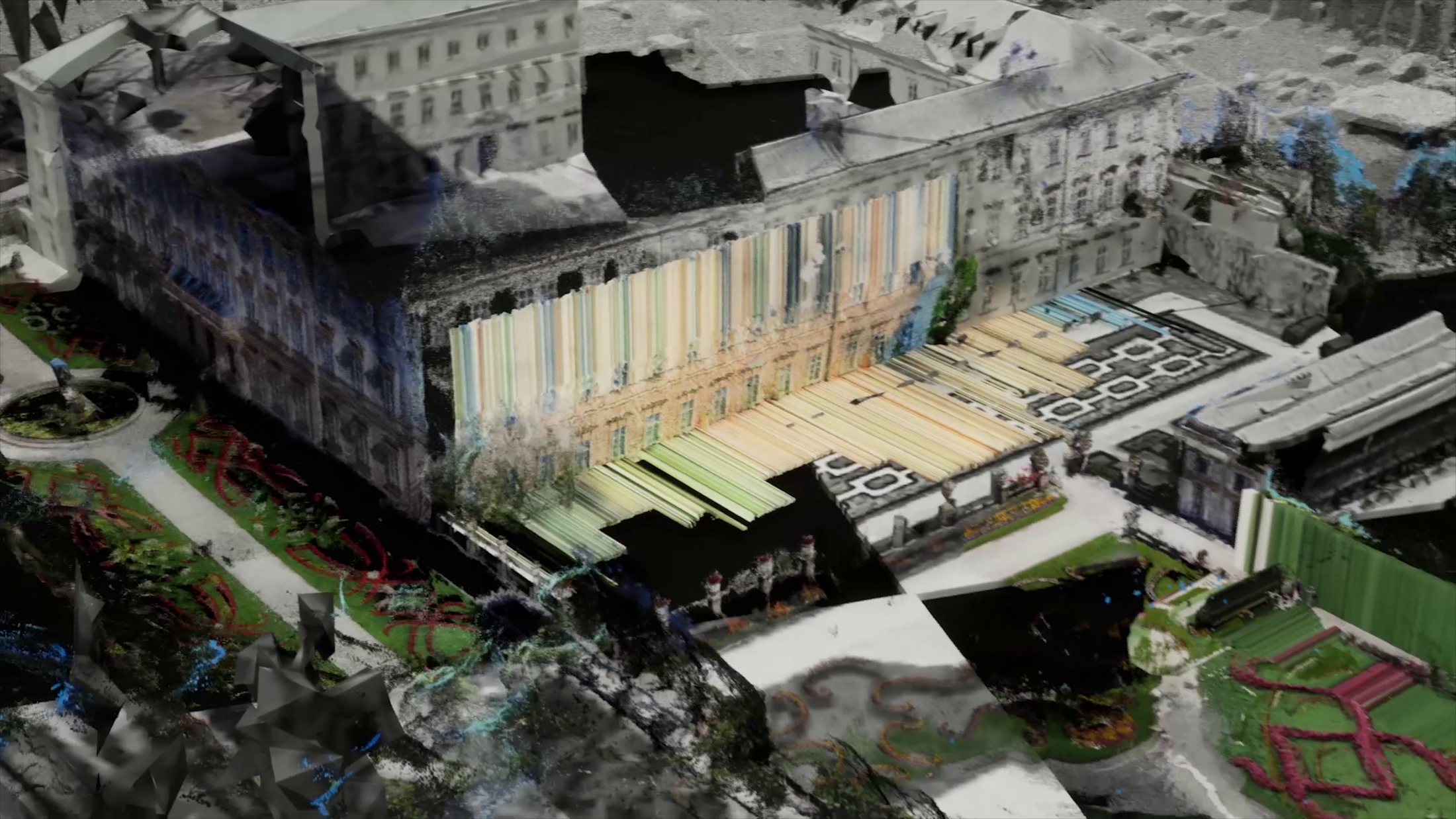
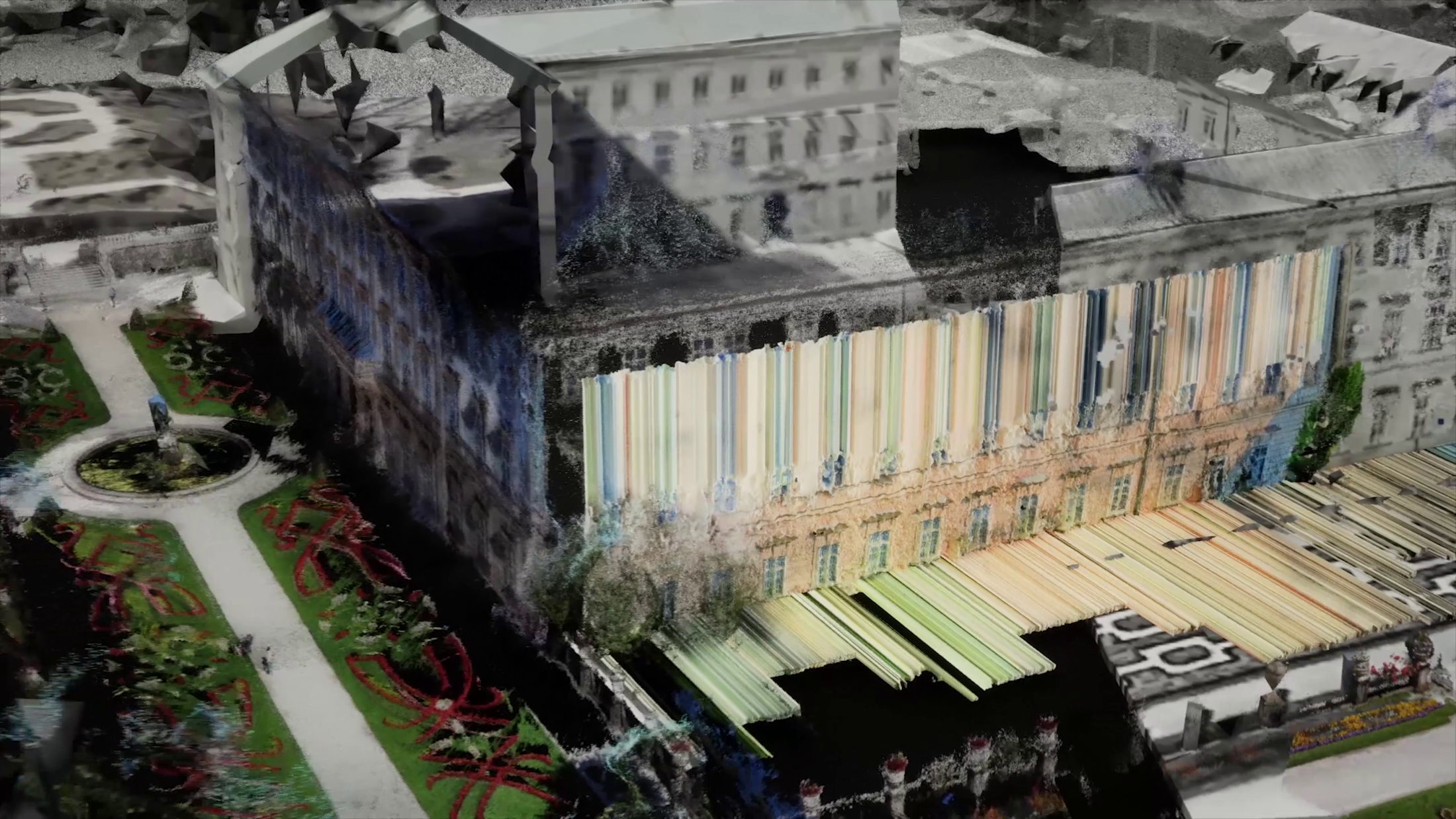
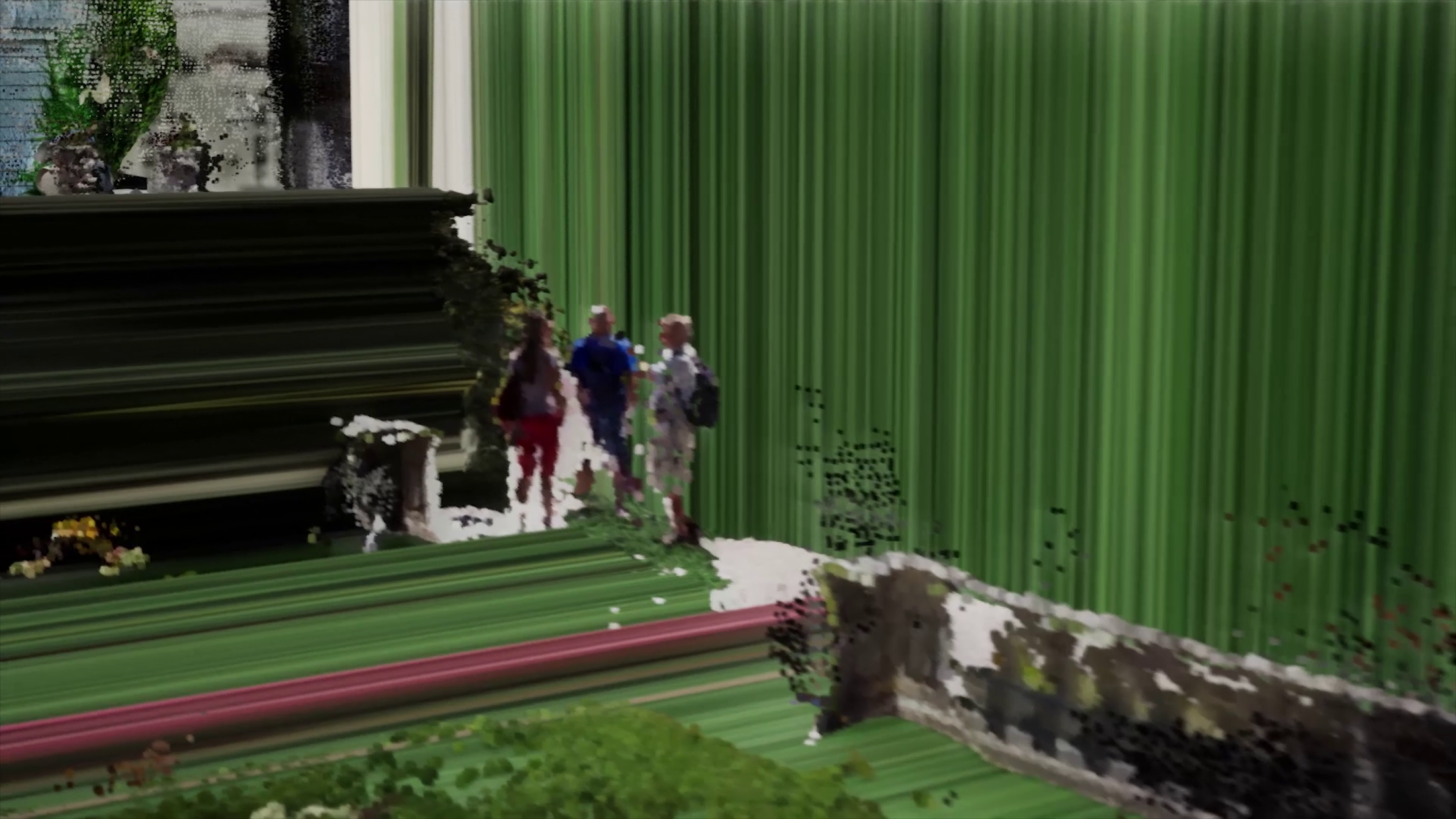
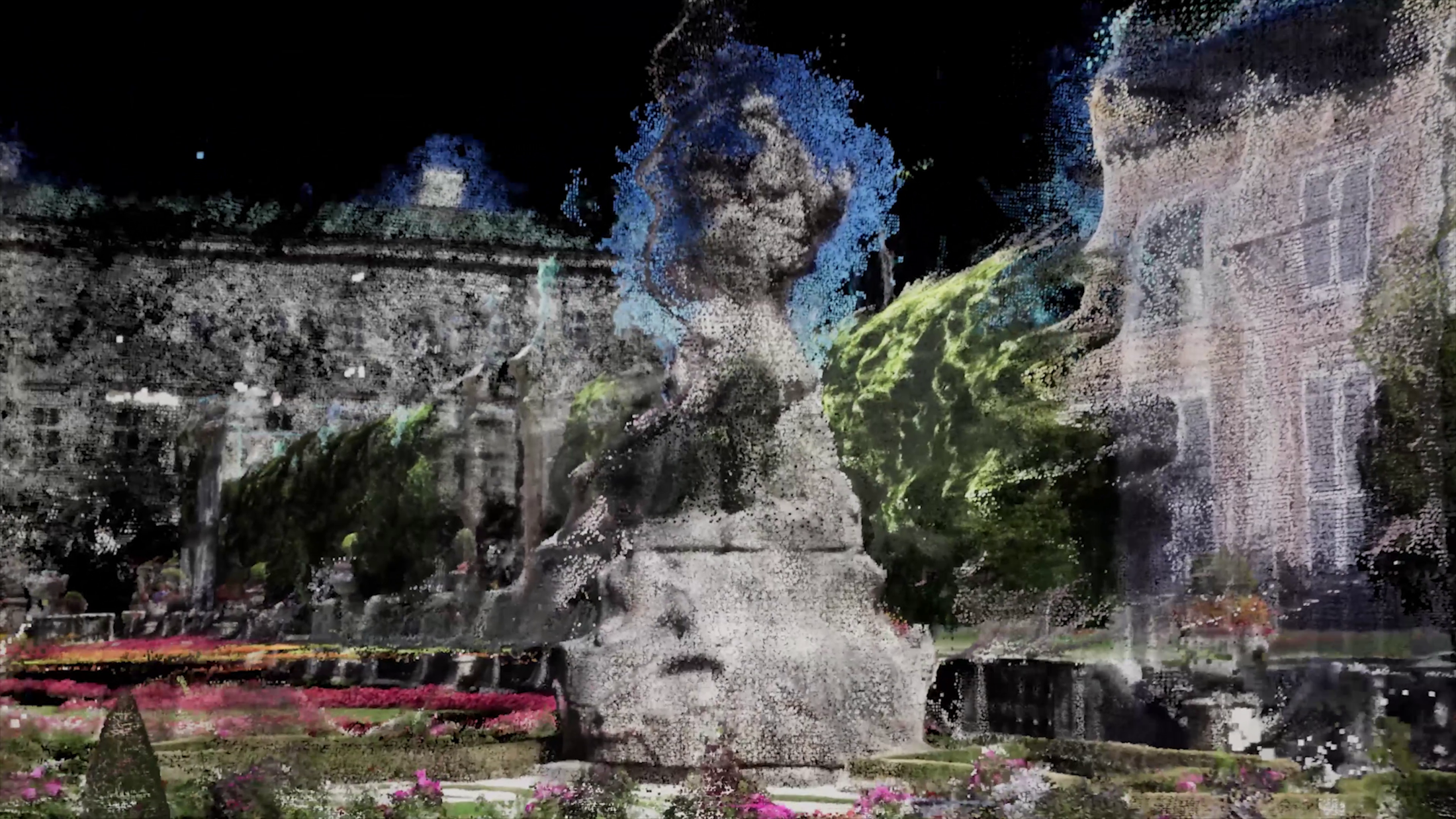
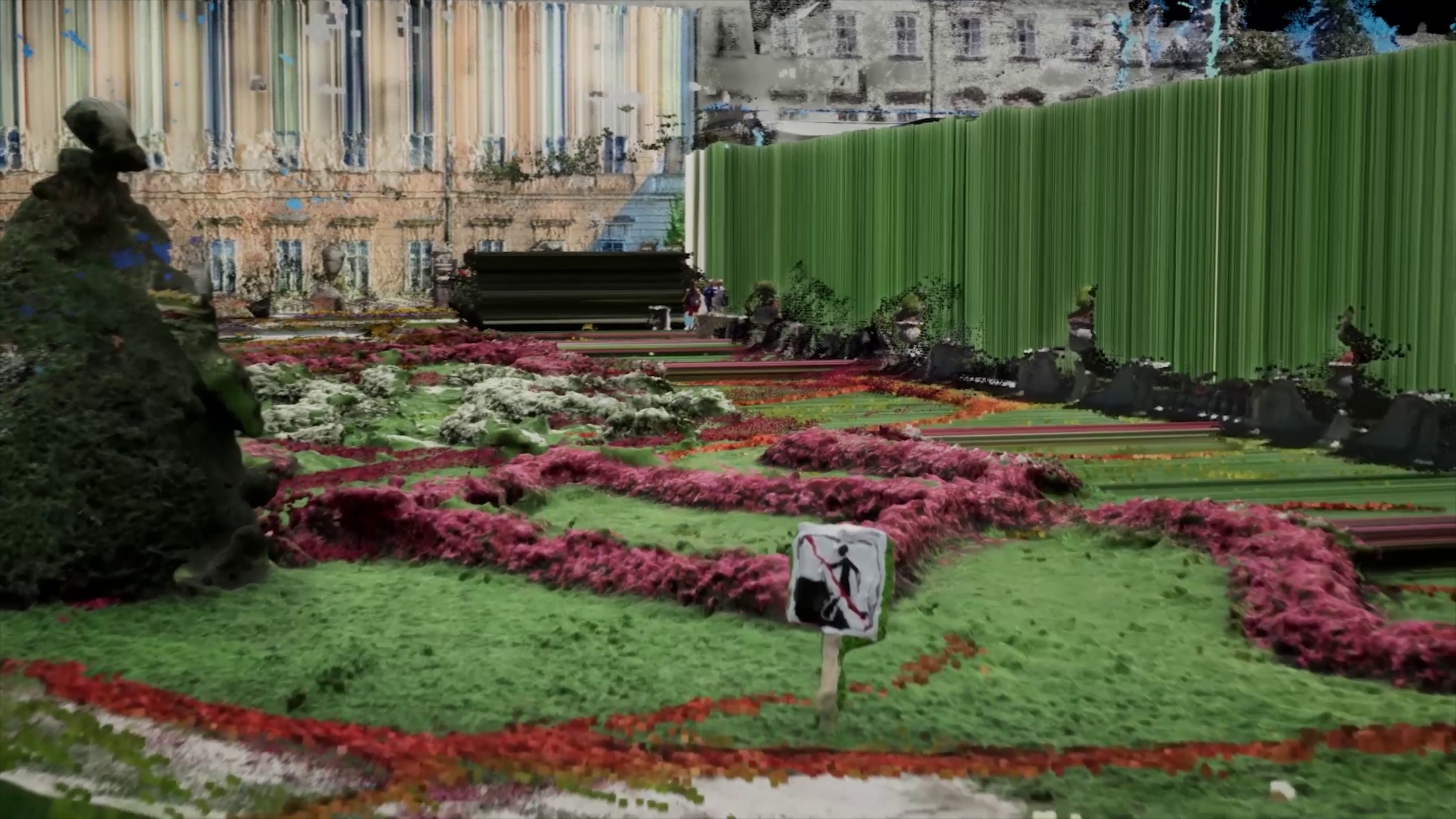
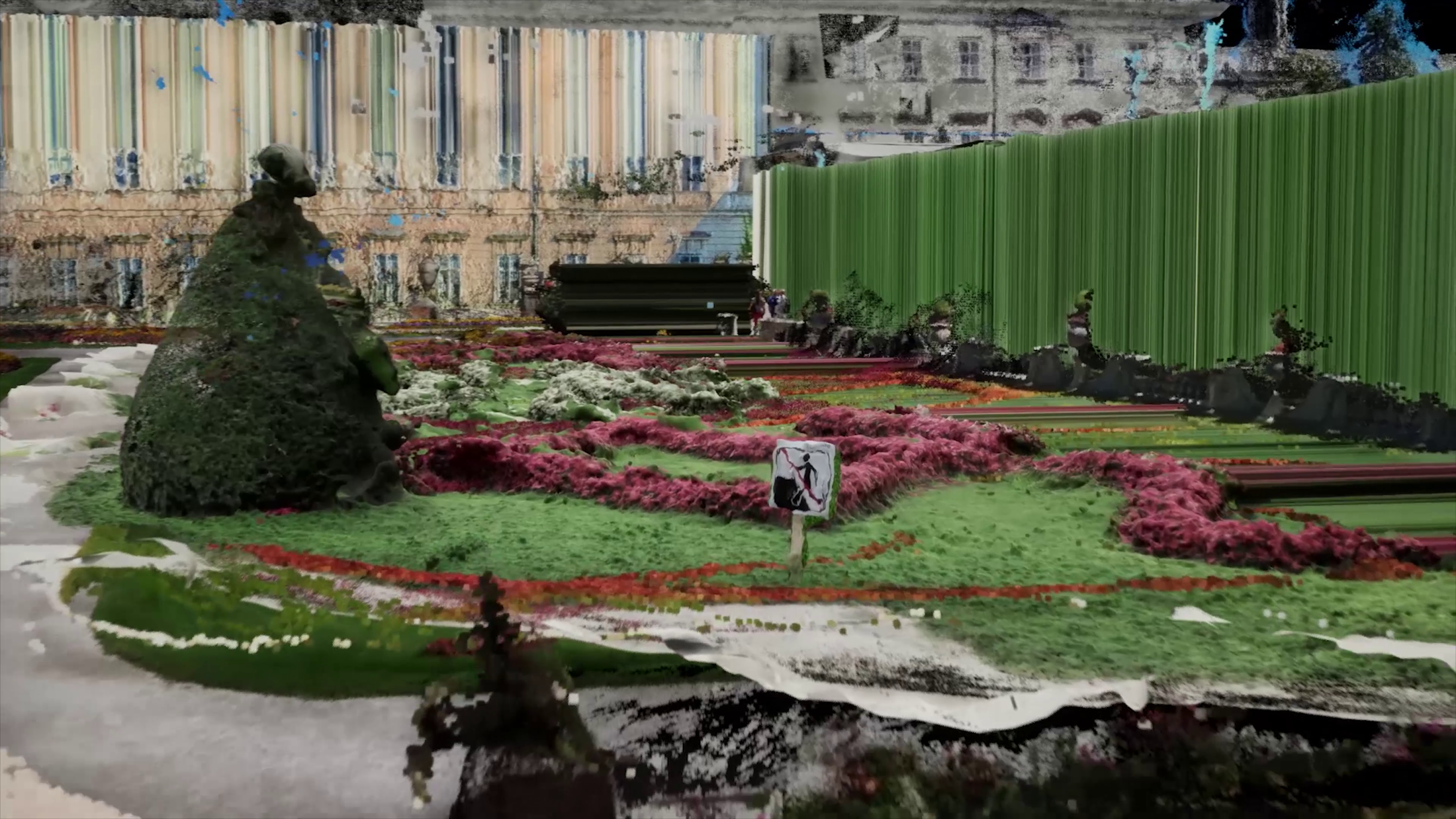
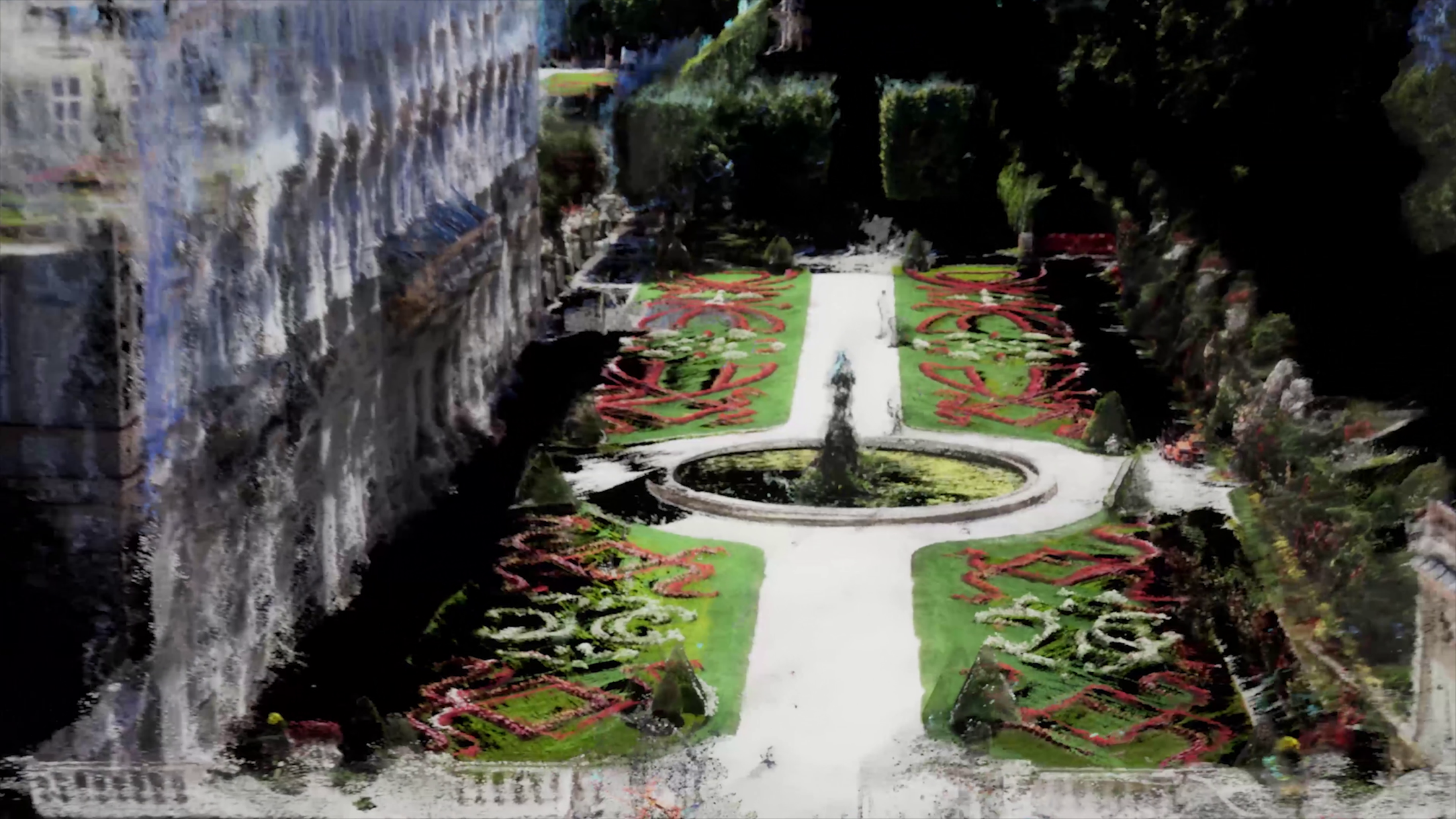
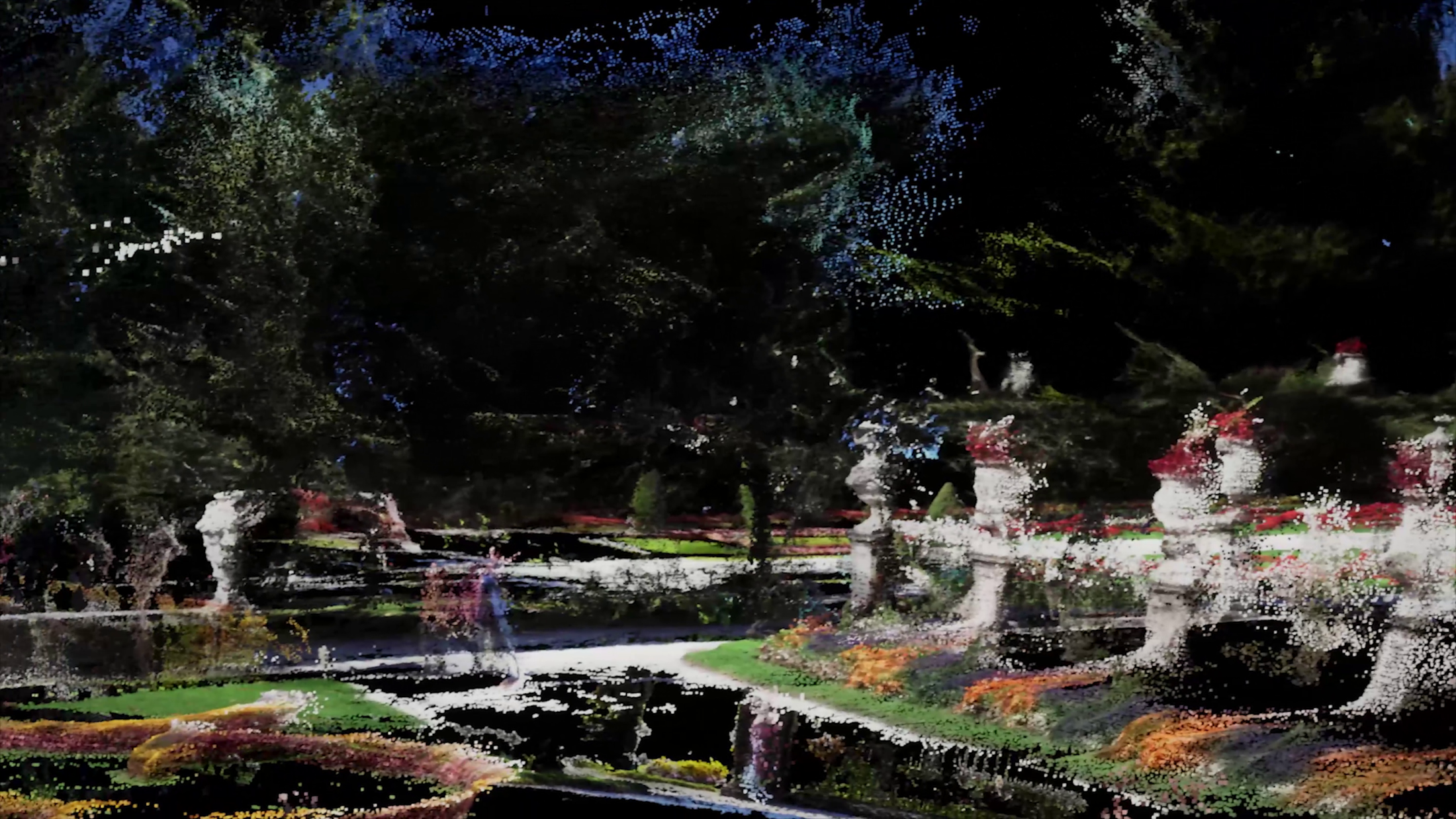
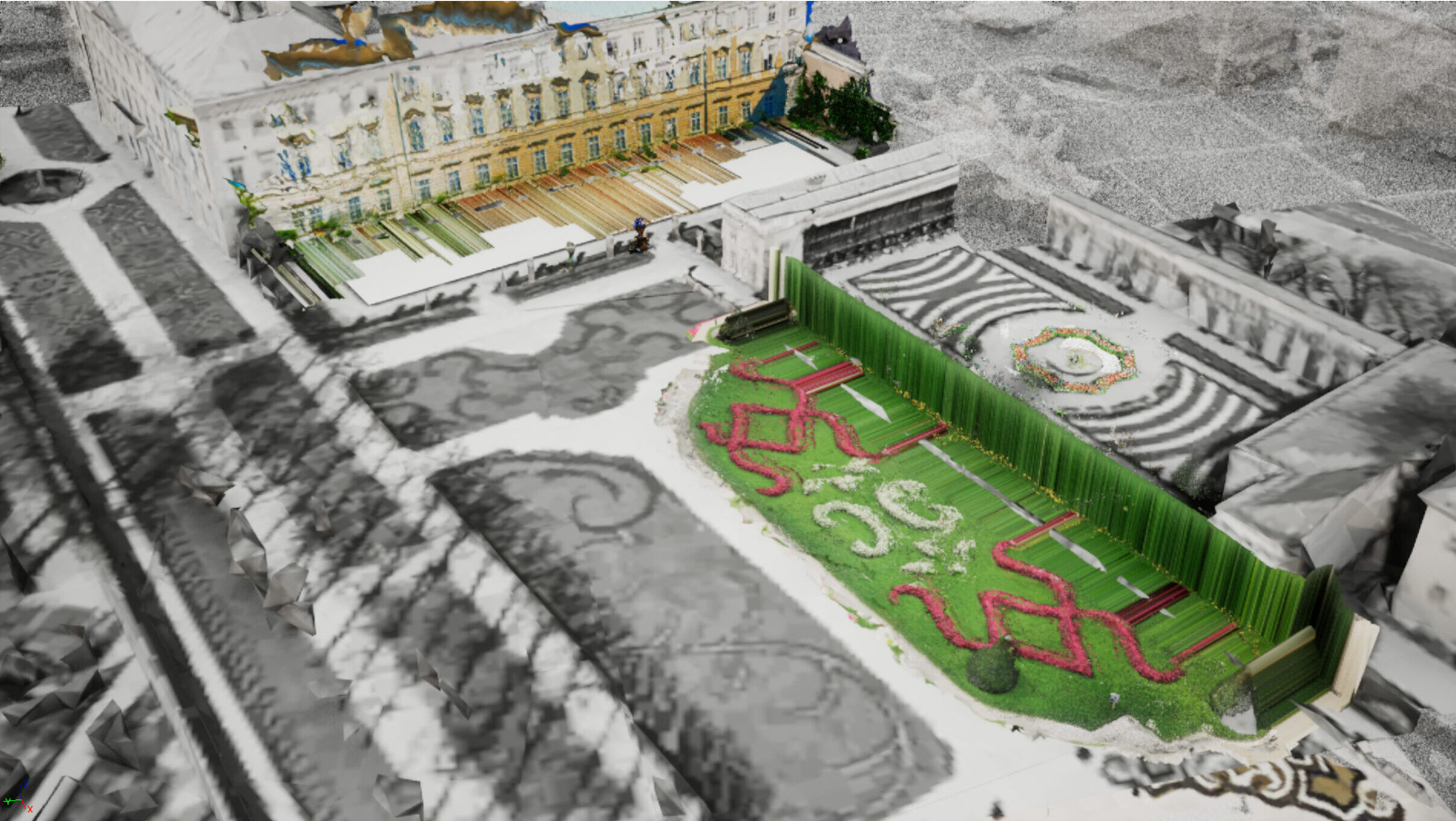
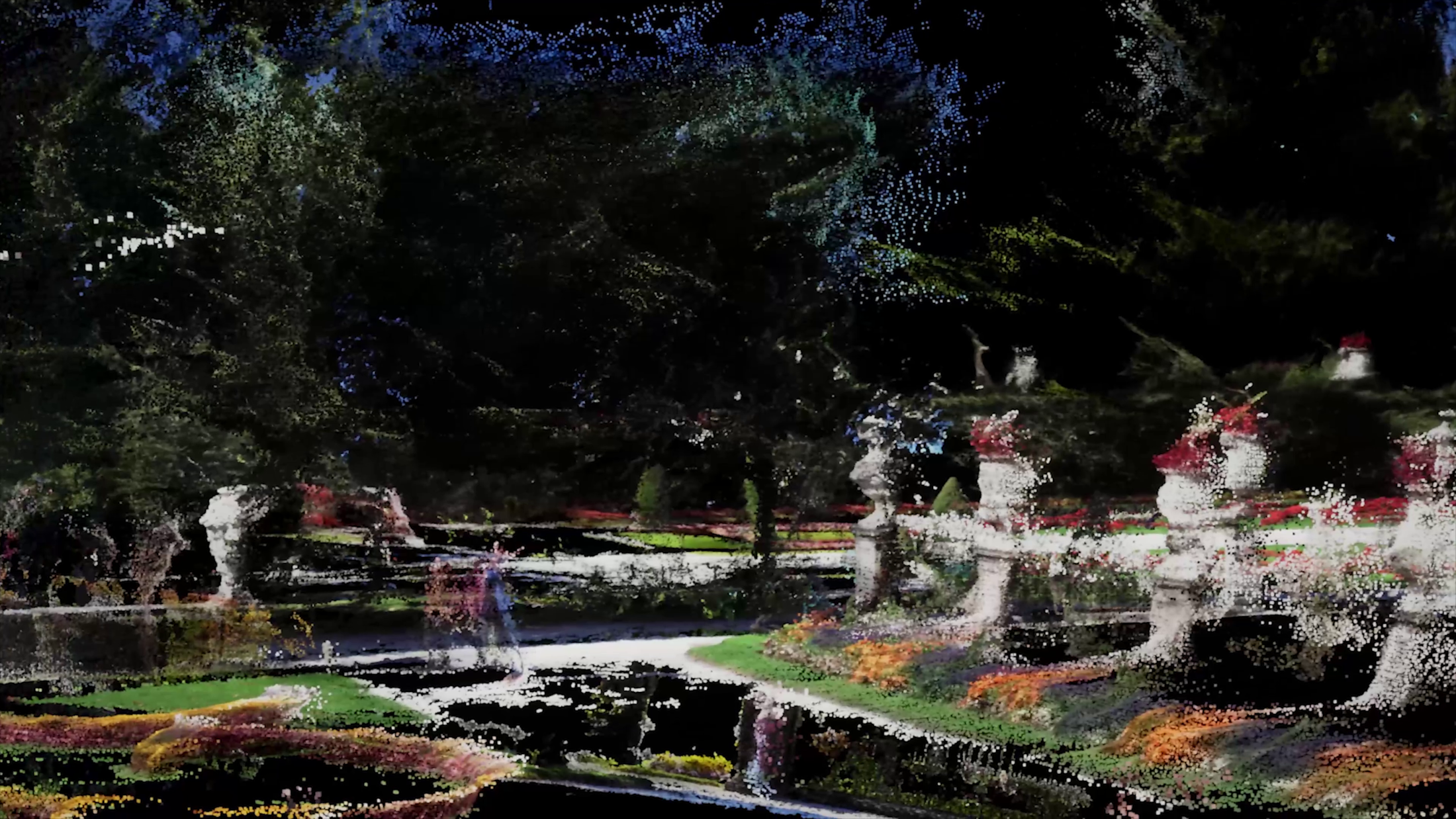
By the multiplication or removal of one true solid ground (as a metaphor for a representation of reality), we face an infinite free fall into groundless multiple versions of what we know as a single real object/space. Therefore this piece investigates different representations of the same subject, in this case the Mirabellgarten and Palace in Salzburg, and unfolds their visual and perceptual qualities in a video assemblage.
Polygarden Timeline :
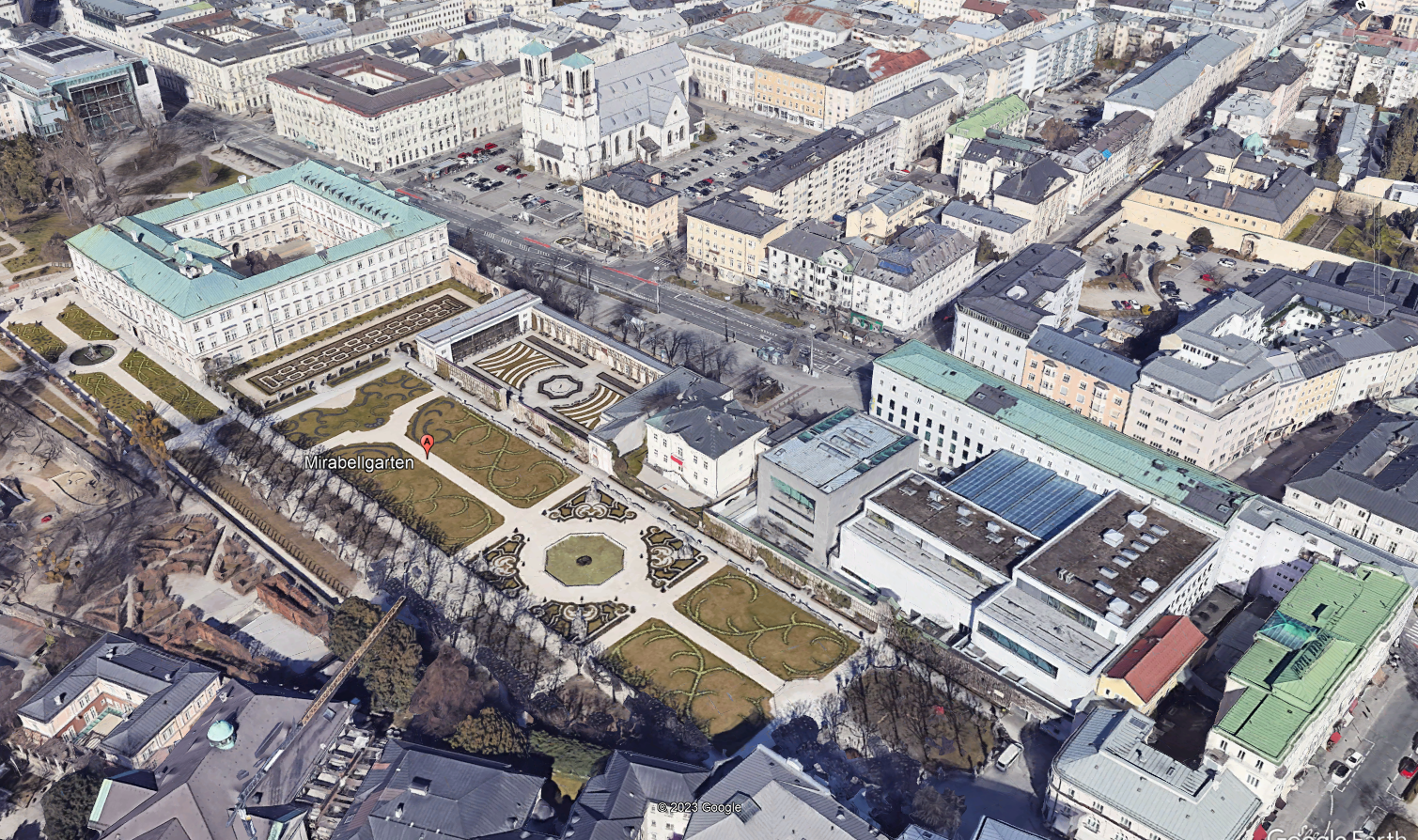
- 00:05-00:38 Google Earth from above
- 00:38-1:22 Point clouds on a Google Earth mesh (captured from a walking tour on YouTube)
- 1:24-2:04 Google Earth 3D walking mode
- 1:25-3:15 Captured assets in different resolutions layered on the 3D scan on Google Earth
- 3:18-4:06 Google Earth 360 Photo walk mode
- 4:08-4:55 Applying motion-glitch in 360 photos to capture 3D assets on the Google Earth mesh
- 4:55-6:28 Combination of captured 3D scans from the garden and YouTube walking tour scans
- Sound: recorded from the garden and surrounding streets
Thick-Mapping
Interpreting the multiple dimensions of physical and social space involves constantly constructing, correcting, and expanding new layers in the map.
The Resolution Paranoia
Does realism simply rely on the number of polygons?
Politics of Perfection
A way of looking at pure beauty and its relation to colonial-era structures in Western societies.
Thick-mapping the Mirabellgarten
By juxtaposing different modes of representation constructed by various mediations for visual perception, this project asks what a thick map of the Mirabellgarten through contemporary technologies could look like.
Maps are visual arguments and stories. Thick maps, sometimes called deep maps, aggregate multiple layers of place-specific data, temporal depth, and representational practices.
Do Not Step On The Grass
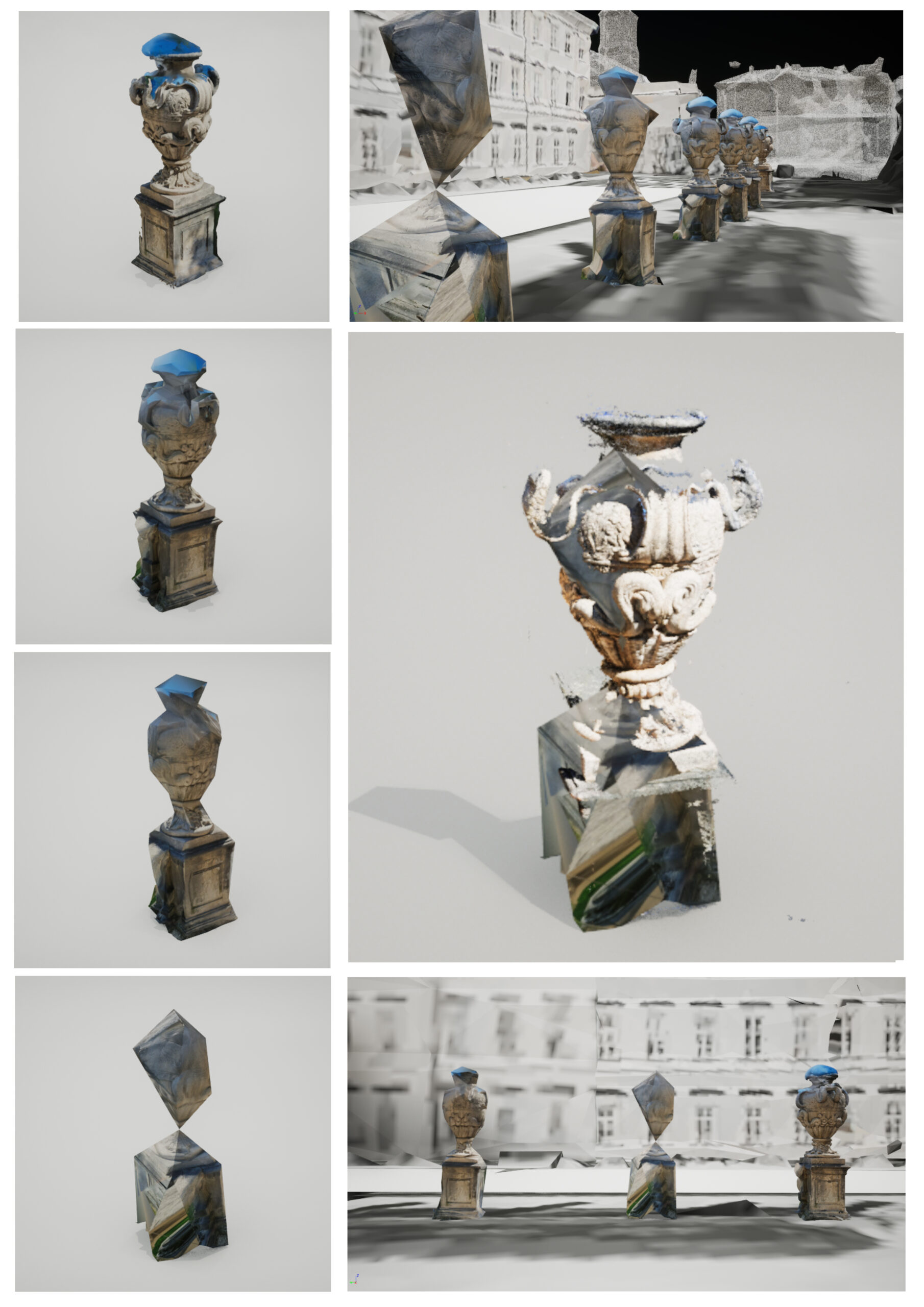
The Resolution Paranoia
Do we simply believe the narrative that pixels and polygons tell us?
Is resolution associated with the level of reality we perceive? Do we make things more believable, in other words less representational, through resolution? These were key questions explored through the research phase and experiment.
Why this baroque garden? Politics of Beauty and Perfection
Designed gardens matter as symbols of colonialism that represent constructed beauty and harmony in contrast with unattended nature. They manifest control and power by taming nature into idealized forms.
The garden's idea of beauty relies on detail; in this sense, every pixel counts. Mirabellgarten was chosen as a familiar and eye-pleasing subject to be unfolded through different modes of observation and contemporary surveying tools.